

Singapore Doesn't Sell Itself on the First Visit
I've been to Singapore eight times. The first was as a kid. The last few came in the last five or six years, close together, almost out of habit.
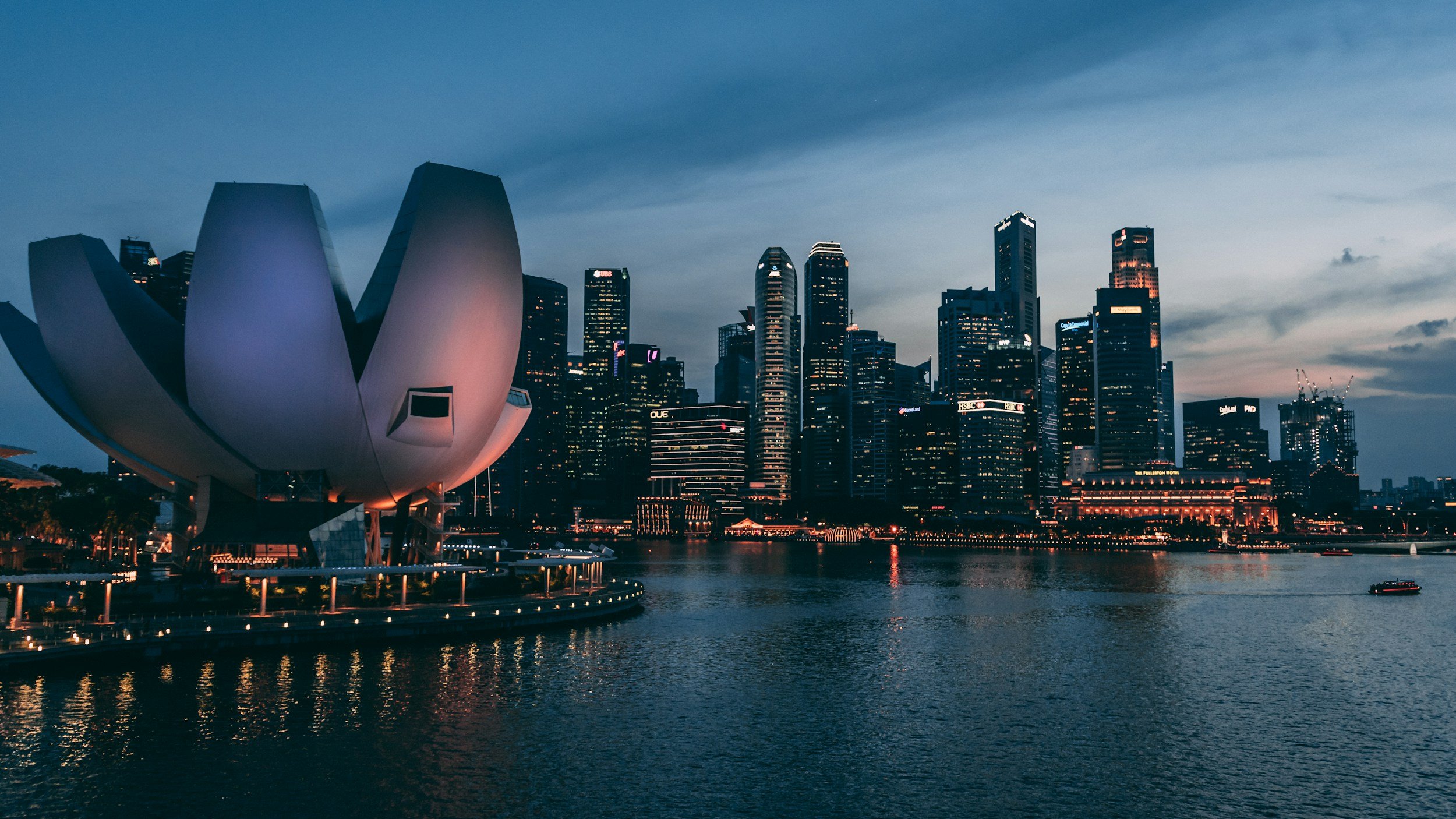
And for most of those trips, I held a quiet, slightly unfair opinion: Singapore was a one-time, maybe two-time country. Go once for the skyline, the airport, the efficiency. Go twice if you're passing through for work. After that, you'd seen it. The city doesn't change its shape fast enough between visits to reward a third look — or so I thought.
I was wrong, and it took staying with a friend, not sightseeing, to find out why.
The Version of Singapore Tourists Don't See
I went back this April and stayed with a school friend who has lived in Singapore for close to a decade. Watching him and his family, I wasn't looking at a stopover. I was looking at a life someone had chosen to build — deliberately, over years. His daughter goes to school there, and I found the education system genuinely striking: multicultural by design, dynamic in how it engages a child, and — as a practical, unshowy detail — she's learning Mandarin, a small daily acknowledgement of how Singapore continues positioning itself between its major allies, the US, China, and India. That's not an accident of curriculum. It's a country teaching its next generation to be fluent in the direction the world is actually moving.
That's the Singapore a one-time visitor never meets. It's not in the skyline. It's in what a family gets to build once they've stopped visiting and started living there.
Why the Country Keeps Getting Better, Not Just Bigger?
Singapore's tourism strategy isn't chasing volume — it's chasing depth of experience, and it shows in the details. Formula One has become one of the clearer examples. Singapore didn't just host a race; its night-race format effectively became a template other circuits later adopted for safety and spectacle. That's a small country setting a global standard rather than following one. The hospitality sector runs on the same instinct. Its hotels aren't just accommodation — they're part of the city's identity, built with a level of finesse that treats guest experience as a craft, not a transaction. And because Singapore has drawn people from everywhere to build lives there, the food culture is unusually versatile for the size of the country — every wave of migration left something behind, and none of it got diluted.
The coffee-and-cocktail scene tells the same story in miniature. Singapore has direct access to some of the best beans in the world, and the attention to detail in how they're served is disproportionate to how small the country is. The bar scene is a clearer proof point: Singapore consistently places multiple venues on Asia's regional best-bar rankings, including new openings still breaking through year over year — remarkable density for a nation this size. That's not luck. It's what happens when a country treats craft as infrastructure.
Language removes the last friction. English is functional everywhere, which means none of this — the food, the bars, the business ecosystem — asks a visitor, or a resident, to work to access it.
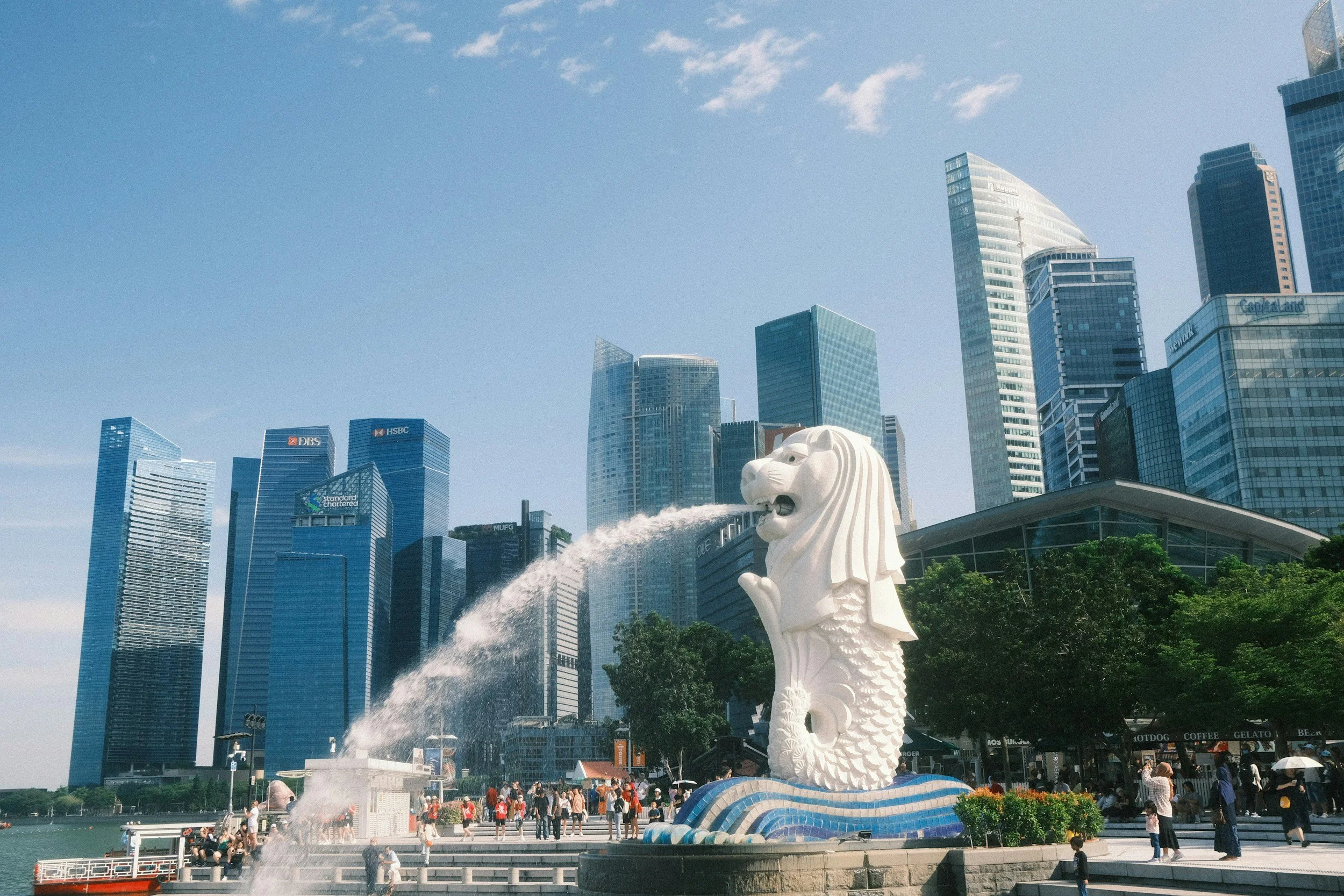
Where This Series Actually Started?
None of this is why we began filming here, though. We began in Singapore because it's where Aditya's story begins.
Singapore was a foundational chapter in Aditya's life before it became one in ours. When we set out to make a series about the people behind Southeast Asia's coffee and cocktail culture, we didn't want to open on a skyline shot or an airport arrival. We wanted to open on a home — his home — and let the country introduce itself the way it introduced itself to him: through a person, not a postcard.
That's the throughline I keep coming back to. Singapore, for all its polish and ranking-topping bars and award-shaped hospitality, doesn't actually sell itself to you. A place this efficient could easily stay impressive and stay distant. Instead, the thing that changes your mind about it is always a person — a friend who stayed, a founder who built something, a kid learning a third language because her parents chose this city for her.
I used to think I'd seen Singapore. What I'd actually seen was the surface of it. The country only opens up once you find the person who chose to stay.
So — thank you, Singapore. I'll be back sooner than I planned.
